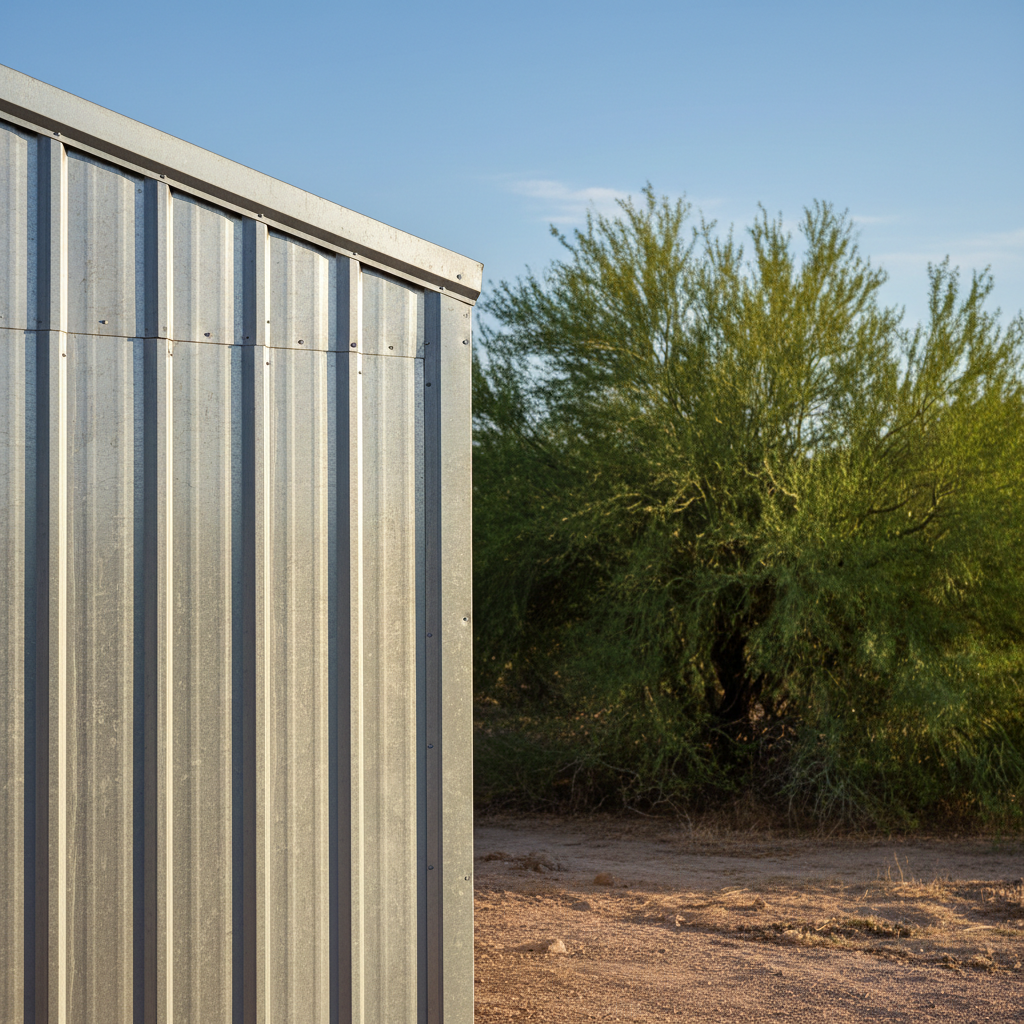
So, you're thinking about adding a metal garage to your place here in Chandler. Good call. They're tough, they last, and they give you that extra space you always seem to need, whether it's for a workshop, car storage, or just getting all that extra stuff out of your house.
But before you jump in, you need a game plan. This isn't like assembling IKEA furniture; there are some real considerations. I've seen a lot of these projects over the years, and I can tell you what works and what usually ends up costing more time and money than it should. Let's break down what you need to know.
Before You Even Buy a Kit
This is where most of the headaches get avoided. Do your homework up front, and you'll thank yourself later.
- Zoning and Permits: This is non-negotiable. You absolutely have to check with the City of Chandler's planning department. They'll tell you about setbacks from property lines, maximum height, square footage limits, and if you need a specific type of foundation. Don't skip this. Building without a permit can lead to fines, demolition orders, and a whole lot of stress. Seriously, it's not worth it.
- Site Selection and Preparation: Where's this thing going? You need a relatively level spot. If your yard slopes a lot, you're looking at significant excavation and grading, which adds to the cost. Think about drainage too. We get those monsoon rains, and you don't want water pooling around your new garage or, worse, running into it. Consider access for construction, too. Can a concrete truck get in there? What about a delivery truck for the metal kit?
- Foundation Type: Most metal garages need a concrete slab. This isn't a DIY job for most folks, unless you've got serious concrete experience. You need proper rebar, correct thickness, and a level pour. A bad foundation means a crooked building, doors that don't close right, and potential structural issues down the road. For a good, solid slab that'll support your garage for decades, you're calling a concrete contractor.
- Utilities: Do you need power? Water? Think about where your main electrical panel is and how far you'll have to trench to get power out there. Same for water if you want a sink or hose bib. These are usually separate permits and definitely pro-level work.
During the Build: DIY vs. Pro
Okay, you've got your permits, your site's prepped, and your foundation is curing. Now for the actual building.
- Kit Assembly: This is where the DIY part often comes in. Many metal garage kits are designed for homeowner assembly. They come with instructions, and if you're handy with tools, can read plans, and have a few strong friends, you can definitely tackle this. You'll be bolting girts, purlins, and sheeting. It's like a giant Erector Set. But be realistic about your skills and time. This isn't a weekend project; it's more like several weekends, or even weeks, depending on the size and complexity.
- Tools You'll Need: Impact drivers, wrenches, ladders, scaffolding, a good level, measuring tapes, tin snips, and safety gear like gloves and eye protection are all a must. You might need to rent a scissor lift for taller structures.
- When to Call a Pro (Even if You're DIYing the Kit): Even if you're assembling the kit yourself, there are a few areas where a pro is almost always a better bet:
- Foundation: As I said, concrete is critical. Get a pro.
- Electrical: Unless you're a licensed electrician, don't mess with wiring. It's dangerous, and you need to meet code.
- Plumbing: Same as electrical. Get a plumber.
- Large or Complex Kits: If it's a huge garage, or has a lot of custom features, the sheer weight and size of the components might be too much for a DIY crew. That's when a company like Spectrum Metal Buildings can step in and handle the whole thing for you, from foundation to finish. We've got the equipment and the experienced crews to get it done right and efficiently.
- Time Constraints: If you need it done fast, a professional crew will always be quicker than a weekend warrior.
After the Build: What's Next?
The structure's up, the doors are on, and it looks great. But you're not quite done.
- Insulation: Chandler gets hot. Really hot. If you plan on spending any time in your garage, or if you're storing anything sensitive to heat, you'll want to insulate it. There are different options – batt insulation, spray foam, rigid panels. Each has its pros and cons and cost. This is often a DIY-friendly project, but for spray foam, you'll likely need a specialist.
- Flooring: Beyond the concrete slab, you might want an epoxy coating for durability, easy cleaning, and a nice finished look. This can be a DIY project, but surface prep is key, and it's messy. Or you could go with interlocking tiles or rubber mats.
- Interior Finishing: Shelving, workbenches, lighting, air conditioning – these are all things you can add over time. Plan out your space. Think about how you'll use it and where you want your tools, storage, and work areas.
- Landscaping and Drainage: Once the garage is built, make sure the surrounding area is properly graded to direct water away from the foundation. Add some gravel, a small concrete apron, or even some landscaping to make it blend in with your property.
Building a metal garage is a big project, but it's totally doable. Just be smart about it. Know your limits, don't cut corners on permits or foundations, and don't be afraid to bring in the pros when you need them. You'll end up with a fantastic, durable space that adds value and functionality to your Chandler home.