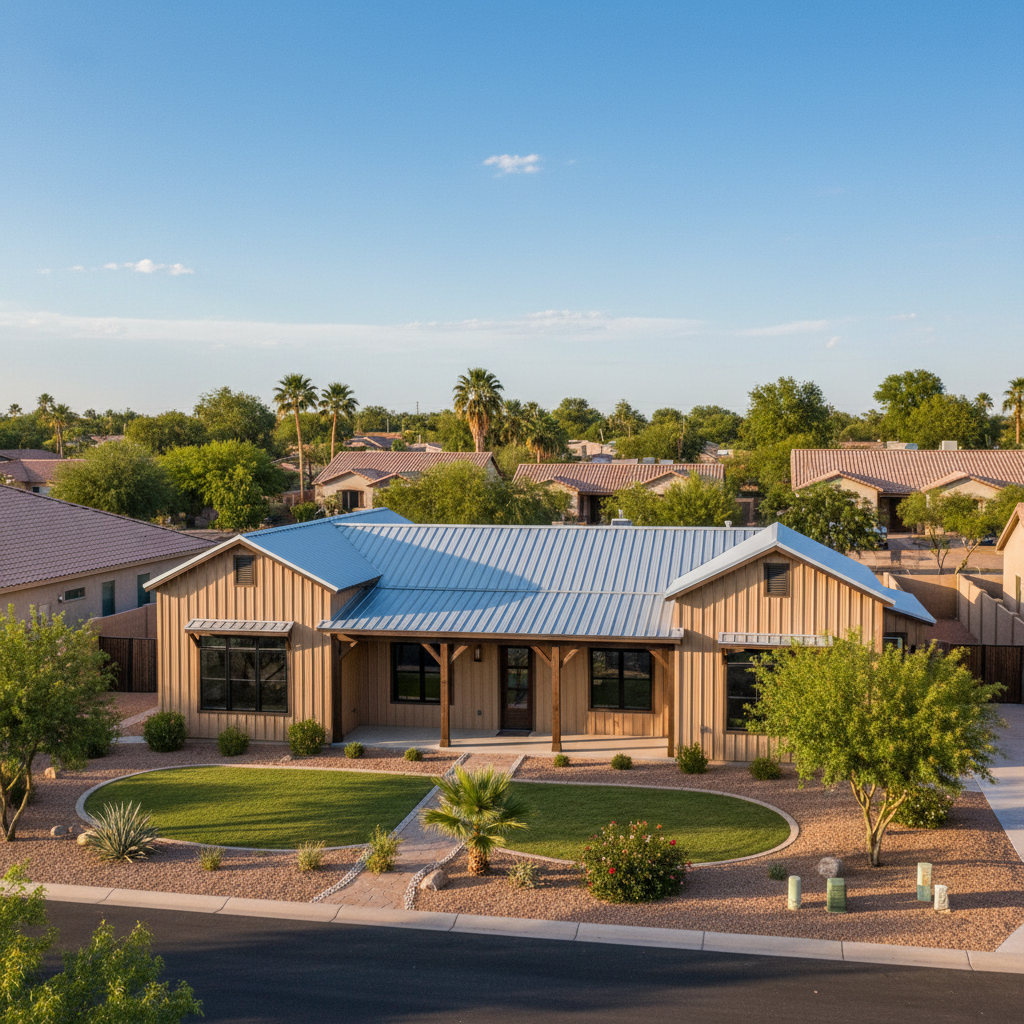
Alright, let's talk barndominiums. You've probably seen them popping up, or maybe you've been scrolling through Pinterest and got hooked. They're popular for good reason: durable, cost-effective, and you can really make 'em your own. But building one here in Chandler, Arizona, isn't quite the same as building one in, say, Oklahoma or Texas. We've got our own unique challenges and opportunities, and if you don't factor those in, you're gonna run into headaches.
Why Chandler is Different for Barndominiums
First off, our climate. You know it. It's hot. Really hot. That's not just a comfort issue; it's a structural one. You need to think about insulation differently here. A standard insulation package that works fine up north? It's not gonna cut it when it's 115 degrees outside and the sun's beating down on a metal roof all day. You'll be throwing money at your AC unit, and that's just dumb. We're talking about specific types of insulation, proper ventilation, and even the color of your roof can make a huge difference in energy efficiency. You want to keep those utility bills down, right?
Then there's the soil. We've got a lot of expansive clay soils around here, especially in some of the older, more established areas or properties that were once agricultural land. If you don't get a proper soil analysis done and design your foundation accordingly, you're asking for trouble down the road. Cracks, settling, you name it. A good foundation isn't just concrete; it's engineered for what's underneath it. I've seen too many folks try to cut corners on the foundation and pay for it dearly later.
And let's not forget about our local building codes. Chandler has its own set of rules, and they're not always the same as Phoenix or Mesa. Things like setbacks, height restrictions, and even specific requirements for fire-resistant materials can vary. You can't just assume what worked in another city will fly here. Getting caught up in code violations means delays, rework, and a lot of wasted money. It's a bureaucratic nightmare you want to avoid.
Common Projects and What We See
We're seeing a lot of interest in barndominiums for a few different reasons here. Some folks are looking for a primary residence that's a bit more unique and cost-effective than traditional stick-built homes, especially on larger lots out east towards Queen Creek or San Tan Valley where there's still some room to spread out. Others are building them as workshops with integrated living space, or even as detached guest houses or ADUs. Imagine having a massive garage for your classic cars or an RV, with a comfortable apartment above it. That's a huge draw for many Chandler residents.
We've also done a few for small businesses looking for a combined office/warehouse space that doesn't feel like a sterile industrial unit. The flexibility of the open span interior in a metal building is just incredible for customizing your layout. You can put walls wherever you want, change things up later, it's really versatile.
Why Local Expertise Matters
This is where local expertise really shines. You don't want someone from out of state trying to figure out Chandler's permitting process or what kind of foundation is best for our soil conditions. You need a contractor who knows the ins and outs of working with the City of Chandler, who understands the specific challenges of our desert environment, and who has a network of local suppliers and subcontractors. That's what we bring to the table at Spectrum Metal Buildings.
We've been building here for years, and we know what works and what doesn't. We've dealt with the inspectors, we know the good electricians and plumbers who understand metal building construction, and we know how to design a structure that will stand up to our monsoons and our brutal summers. It's not just about putting up a metal shell; it's about creating a comfortable, durable, and code-compliant living or working space that's built to last in Arizona.
So, if you're serious about a barndominium, do your homework. Talk to people who've built them here. And definitely talk to a local contractor who understands our unique environment. It'll save you a lot of grief and money in the long run.